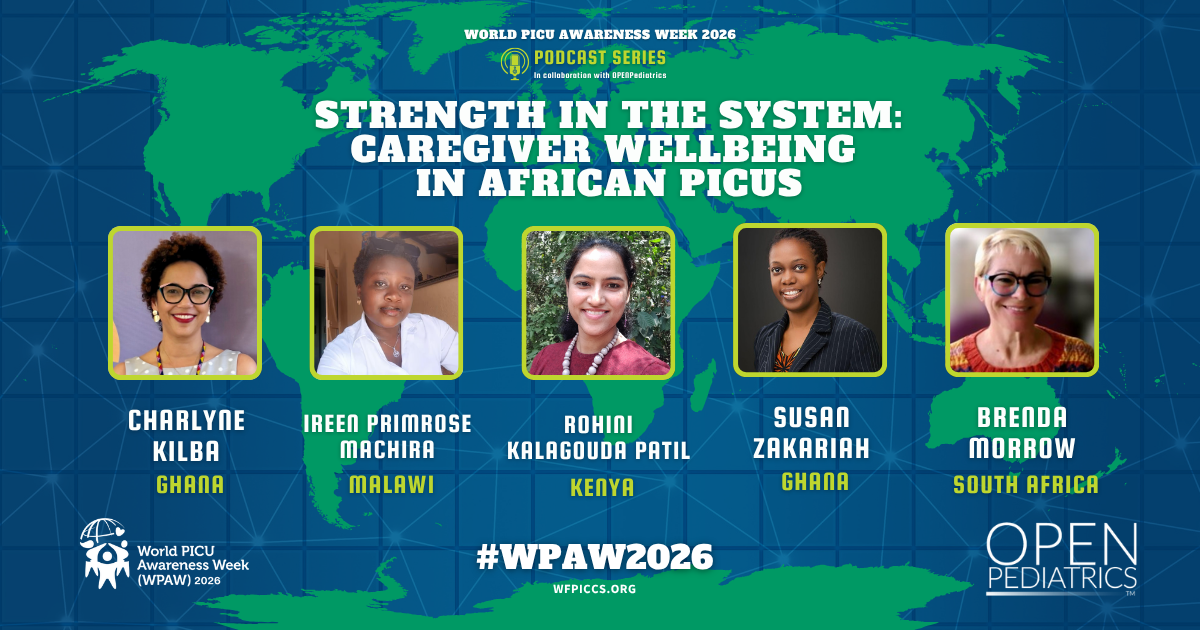
Workforce policies significantly influence the practice and outcomes within Pediatric Intensive Care Units (PICUs) by directly shaping the environment in which care is delivered. Effective staffing policies based on population needs, ensure that PICUs maintain appropriate nurse-to-patient and provider-to-patient ratios, which are critical for delivering timely, high-quality care to critically ill children. Understaffing can lead to burnout, increased errors, and compromised patient safety, while adequate staffing allows for closer monitoring, quicker interventions, and more personalized care. Additionally, workforce policies that prioritize professional development, such as ongoing training, certifications, and access to the latest evidence-based practices, equip PICU teams with the skills and knowledge needed to manage complex cases effectively. These policies also foster a culture of continuous learning and resilience, which is essential in high-stress environments. By addressing staffing adequacy and investing in the growth of healthcare professionals, workforce policies not only enhance bedside practice but also improve patient outcomes, staff satisfaction, and overall unit performance.
Recognizing the global nature of pediatric intensive care challenges, the World Federation of Pediatric Intensive & Critical Care Societies (WFPICCS) can play an important role in advocating for improved workforce policies worldwide. As a global federation, WFPICCS leverages its extensive network to promote PICU workforce sustainability, equitable access to training, and policies that prioritize the well-being of healthcare professionals. Through research, education, and advocacy, WFPICCS actively supports initiatives aimed at addressing workforce shortages, harmonizing global staffing standards, and ensuring that every critically ill child receives high-quality care regardless of geographic location. This webinar serves as a call to action for WFPICCS members and the broader PICU community to unite in advancing workforce policies that uphold best practices and drive meaningful improvements in pediatric critical care.